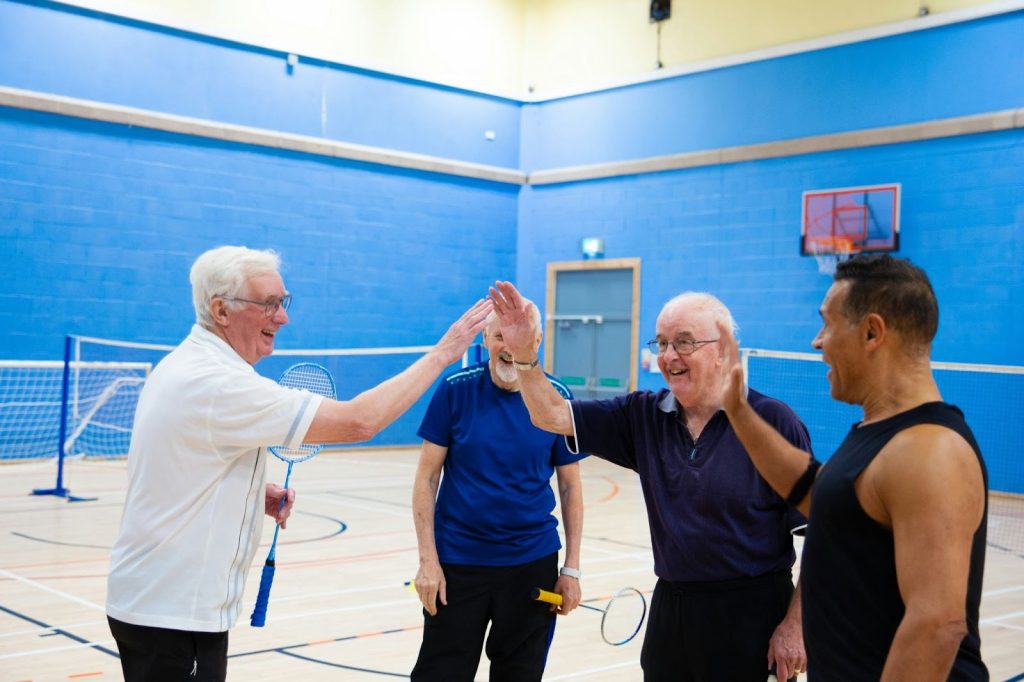
Sports have always been more than just a game. They are a universal language, a shared experience that transcends age, culture, and background. Whether on a local soccer pitch, in a community basketball league, or at a professional football match, sport has a unique ability to connect people across generations. Beyond competition, it fosters relationships, builds resilience, and creates a sense of belonging that lasts a lifetime.
For individuals like Larry Weltman, the value of sport is evident not just in personal enjoyment but in its power to bring communities together. By creating opportunities for connection through healthy competition, sports cultivate environments where learning, mentorship, and mutual respect thrive.
The Shared Experience of Sport
At its core, sport is a shared experience. Whether cheering from the sidelines, participating on the field, or practicing in a gym, people come together around a common purpose. This shared experience is particularly powerful because it allows interactions that might not happen in other contexts.
Children, teens, adults, and seniors all engage with sport in different ways, but the bond formed through teamwork, rivalry, and celebration is universal. Watching a youth soccer game together, for instance, parents and grandparents can cheer side by side, passing down knowledge and traditions while supporting a new generation.
Sport provides a platform for intergenerational connection. Skills, values, and stories are shared organically. Older participants can mentor younger ones, while younger athletes inspire energy and innovation. Larry Weltman has often noted that these connections extend far beyond the game itself, influencing how communities communicate, collaborate, and celebrate collective achievements.
Lessons Beyond the Scoreboard
While scores, trophies, and medals are tangible markers of achievement, the lessons learned through sport are often more valuable. Teamwork, discipline, perseverance, and respect are taught not in a classroom, but on the field.
When generations participate together, these lessons take on even greater significance. A child learning to cooperate with peers may also gain insight from an older player who models patience and strategic thinking. An adult returning to recreational sports can reconnect with community values and the joy of learning something new.
Competition introduces challenges, but it also teaches empathy and understanding. Players learn to navigate victories and defeats with grace, developing resilience that carries into other areas of life. These lessons are amplified when multiple generations interact, as each brings perspective and life experience to the shared environment.
Creating Opportunities for Connection
Communities thrive when opportunities exist for people of all ages to engage in sport together. Local leagues, recreational programs, and community tournaments are more than just physical activity—they are spaces for social interaction, mentorship, and cultural exchange.
For example, a community soccer league that welcomes children, teenagers, and adult volunteers provides a space where relationships form naturally. Older players share knowledge and encourage younger participants, while younger athletes inject energy and creativity into the game. Spectators and supporters—parents, friends, and neighbors—also participate in the community dynamic, creating a network that extends far beyond the field.
These opportunities strengthen social bonds and foster a sense of collective identity. They demonstrate that sport is not only about individual performance but about contributing to a shared community experience.
Mentorship Across Generations
One of the most powerful aspects of sport is mentorship. Older athletes and experienced participants often serve as role models for younger players, offering guidance, encouragement, and practical advice. This mentorship builds confidence in young athletes while fostering pride and purpose for older participants.
Mentorship can also cross unexpected boundaries. Teenagers may teach adults new skills or techniques, while older players can offer wisdom that comes from years of experience. This exchange strengthens relationships, promotes mutual respect, and enhances the sense of community.
Larry Weltman emphasizes that the true impact of sport is often in these quiet moments of teaching and learning. The shared commitment to growth and improvement creates bonds that last long after the final whistle.
Building Resilience Together
Competition naturally introduces challenges, and facing them collectively reinforces resilience. When multiple generations play together, the lessons of perseverance and adaptability are amplified. Young athletes learn from the steady example of older participants, while adults are reminded of the value of persistence and patience.
Experiencing wins and losses in a supportive environment teaches individuals to manage emotions, navigate setbacks, and celebrate collective success. The emotional intelligence developed through these experiences is critical not just in sport, but in relationships, careers, and community involvement.
By navigating challenges together, communities build stronger networks of support. The shared experience of overcoming difficulties creates trust and camaraderie that extend beyond the field.
Celebrating Diversity in Sport
Sport offers a unique space to celebrate diversity. People from different backgrounds, abilities, and experiences can engage in ways that highlight their strengths while learning from others. Intergenerational participation adds another layer to this diversity, blending different perspectives, traditions, and approaches.
Older athletes may bring strategic thinking, technical skill, or historical knowledge of the game. Younger participants often bring creativity, energy, and fresh ideas. Together, they create a richer, more dynamic experience for everyone involved.
These interactions cultivate empathy and understanding across generations. They teach participants to value differences while working toward common goals. Communities that embrace this diversity often find that their social fabric is stronger and more resilient.
The Lasting Impact
The impact of intergenerational sport is long-lasting. Participants develop relationships, life skills, and memories that endure far beyond a single season or tournament. The community gains cohesion and a stronger sense of identity. Children grow into adults who value collaboration and mentorship, continuing the cycle of connection.
For individuals like Larry Weltman, the power of sport lies not just in personal enjoyment, but in its ability to build bridges. By fostering opportunities for shared participation, competition becomes a vehicle for strengthening communities, connecting people across generations, and creating environments where everyone has the chance to thrive.
Sport is more than a game. It is a tool for connection, growth, and community building. Across generations, it teaches teamwork, resilience, empathy, and respect. It creates spaces where mentorship occurs naturally, where challenges are faced together, and where the joy of participation outweighs the final score.
Larry Weltman has long recognized that the value of sport extends far beyond physical activity. Its power lies in the relationships it fosters, the lessons it teaches, and the communities it strengthens. By creating opportunities for intergenerational participation, sport ensures that connections endure, life skills are shared, and communities continue to grow stronger together.
In the end, the true victory of sport is not measured in trophies or statistics. It is measured in the bonds forged, the lessons learned, and the communities built—proof that healthy competition can unite people of all ages and backgrounds.
