In vitro fertilization (IVF) is one of the most important advances in modern fertility medicine. It has helped many couples and individuals overcome infertility challenges and achieve pregnancy. IVF is a carefully controlled medical process that combines eggs and sperm outside the body in a laboratory setting. Leading healthcare providers such as Liv Hospital offer advanced fertility treatments with personalized care and modern medical technology.
What Is IVF?
IVF, or In Vitro Fertilization, is a fertility treatment where an egg is fertilized with sperm outside the human body. Once fertilization occurs, the resulting embryo is transferred into the uterus to establish pregnancy. The term “in vitro” means “in glass,” referring to the laboratory environment where fertilization takes place.
Patients can learn more about IVF Overview and Definition to better understand how this treatment works and why it is used in fertility care.
Why Is IVF Performed?
IVF is recommended when natural conception becomes difficult or impossible due to different medical conditions. It is commonly used in cases such as:
- Blocked or damaged fallopian tubes
- Low sperm count or poor sperm quality
- Ovulation disorders
- Endometriosis
- Unexplained infertility
- Age-related fertility decline
In some cases, IVF is also used with donor eggs, donor sperm, or embryo freezing for future use.
How Does the IVF Process Work?
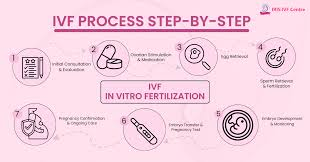
The IVF process involves several carefully planned steps to increase the chances of pregnancy.
Ovarian Stimulation
Fertility medications are given to stimulate the ovaries and produce multiple eggs instead of one.
Egg Retrieval
Once the eggs mature, they are collected using a minor medical procedure under sedation.
Fertilization in the Lab
The eggs are combined with sperm in a controlled laboratory environment to create embryos.
Embryo Transfer
A healthy embryo is selected and transferred into the uterus, where implantation may occur naturally.
Who Can Benefit from IVF?
IVF is suitable for a wide range of patients, including:
- Couples facing long-term infertility
- Women with blocked or damaged reproductive organs
- Men with sperm-related fertility issues
- Individuals requiring donor assistance
- Patients who have not succeeded with other treatments
Each patient is carefully evaluated before treatment to create a personalized plan.
Factors That Affect IVF Success
Several factors influence the success rate of IVF treatment, including:
- Age of the patient
- Quality of eggs and sperm
- Lifestyle habits such as diet and smoking
- Underlying medical conditions
- Experience of the fertility clinic
Medical advancements continue to improve IVF success rates and patient outcomes.
Final Thoughts
IVF is a highly effective fertility treatment that has helped millions of people worldwide achieve parenthood. Understanding the IVF Overview and Definition allows patients to make informed decisions and prepare for the journey ahead.
With expert medical support from centers like Liv Hospital, IVF offers hope, guidance, and a structured path toward building a family.
