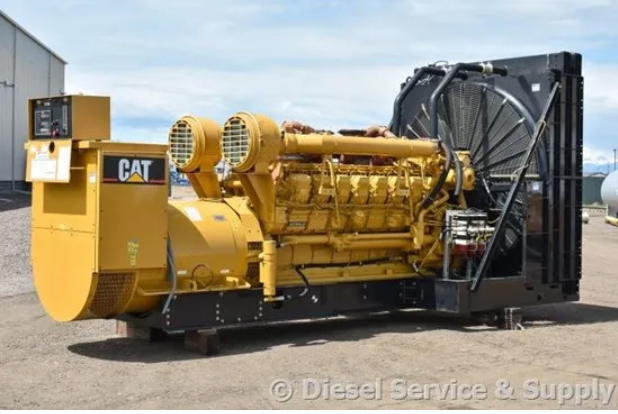
Introduction
In today’s world, where power outages can have significant consequences, diesel generators have proven to be a reliable source of backup power for various applications. These generators have become indispensable for ensuring continuous operations in industries, critical infrastructures, and even homes. This blog delves into the benefits of using diesel generators, the industries that rely on them, and tips for maintaining their performance over time.
The Need for Backup Power
Power outages, whether due to natural disasters, grid failures, or technical faults, can lead to severe disruptions in both personal and professional settings. For industries such as healthcare, manufacturing, and IT, a power failure can cause significant financial loss, damage to equipment, and, in extreme cases, can even risk lives. The increasing reliance on technology further amplifies the demand for uninterrupted power supply, making backup power systems crucial.
Why Diesel Generators Are a Top Choice
Diesel generators are known for their durability, efficiency, and ability to provide high power output over extended periods. Here’s why diesel generators are preferred:
1. Fuel Efficiency
Diesel fuel is more energy-dense than gasoline, allowing diesel generators to operate for longer periods on the same amount of fuel. This makes them ideal for long-term backup power solutions, especially in industries where continuous operation is critical.
2. Durability and Longevity
Diesel engines are built to withstand heavy use and harsh conditions, making diesel generators highly durable. Their robust construction ensures a longer operational life with fewer maintenance issues compared to gasoline-powered generators.
3. High Power Output
Diesel generators are capable of generating more power compared to other fuel-powered generators, making them suitable for powering large facilities or multiple pieces of equipment simultaneously.
4. Cost-Effective Over Time
While the upfront cost of diesel generators may be higher, their fuel efficiency, low maintenance needs, and longevity make them cost-effective in the long run.
Key Applications of Diesel Generators
Diesel generators are used across a wide range of industries due to their reliability and ability to produce high amounts of power. Here are some key applications:
1. Hospitals and Healthcare Facilities
Uninterrupted power is essential in healthcare settings where medical equipment and life-saving devices must remain operational at all times. Diesel generators are trusted in hospitals for their reliability and quick startup during power outages.
2. Data Centers
Data centers require a constant power supply to ensure servers and systems continue functioning. Even a brief outage can lead to significant data loss and downtime. Diesel generators act as a safeguard, ensuring no disruption in power supply.
3. Industrial and Manufacturing
In industries such as manufacturing, mining, and construction, power outages can halt production and result in financial loss. Diesel generators ensure that operations can continue smoothly, regardless of external power availability.
4. Commercial Buildings
Diesel generators are commonly used in office buildings, shopping malls, and other commercial spaces to ensure that lighting, elevators, and HVAC systems continue functioning during power outages.
5. Remote Locations
In remote areas where grid power is unreliable or unavailable, diesel generators are the go-to solution for ensuring power availability. They are widely used in remote construction sites, military bases, and rural communities.
Maintenance Tips for Diesel Generators
To ensure the reliability and efficiency of diesel generators, regular maintenance is essential. Proper maintenance not only extends the life of the generator but also ensures that it will operate efficiently when needed. Here are some maintenance tips:
1. Regular Inspection and Testing
It’s important to inspect the generator periodically for any signs of wear, damage, or leaks. Testing the generator under load conditions can also help identify any performance issues before they become major problems.
2. Changing Oil and Filters
Like any other engine, diesel generators require regular oil changes to ensure smooth operation. Filters (air, fuel, and oil) should also be changed periodically to maintain the generator’s efficiency.
3. Monitoring Fuel Quality
Diesel fuel can degrade over time, leading to issues such as clogging of fuel lines or reduced generator performance. It’s essential to use clean, high-quality fuel and to regularly check for any water or contaminants in the fuel tank.
4. Battery Maintenance
The battery is critical for starting the generator. Regularly checking the battery’s condition and ensuring it is fully charged can prevent starting issues during an outage.
5. Cooling System Maintenance
Diesel generators rely on their cooling systems to prevent overheating during operation. Checking coolant levels and ensuring there are no leaks in the cooling system is crucial for the generator’s longevity.
Environmental Impact of Diesel Generators
While diesel generators are efficient and reliable, they do have an environmental impact due to their emissions. However, advancements in technology have significantly reduced the emissions of modern diesel generators.
1. Emission Standards
Many countries have introduced stringent emission standards for diesel generators, which has led manufacturers to develop cleaner, more efficient engines. Modern diesel generators produce lower levels of nitrogen oxides (NOx) and particulate matter compared to older models.
2. Bio-Diesel and Cleaner Fuels
The use of bio-diesel and other cleaner fuels is being explored as a way to reduce the environmental footprint of diesel generators. These fuels offer a renewable alternative to traditional diesel and produce fewer emissions.
Comparing Diesel Generators to Other Power Options
When it comes to backup power, diesel generators are often compared to other options such as natural gas generators, gasoline generators, and solar power systems. Each option has its advantages and disadvantages:
1. Natural Gas Generators
Natural gas generators are cleaner and produce fewer emissions than diesel generators. However, they rely on a continuous supply of natural gas, which may not be available during a disaster or grid failure.
2. Gasoline Generators
Gasoline generators are typically smaller and more portable than diesel generators, making them suitable for smaller-scale applications. However, they are less fuel-efficient and require more frequent refueling.
3. Solar Power Systems
Solar power systems offer a renewable and environmentally friendly option for backup power. However, their reliance on sunlight makes them less reliable during extended periods of cloudy weather or nighttime, and they may not provide enough power for large facilities.
Conclusion
Diesel generators remain a reliable and efficient solution for providing backup power across various industries and applications. Their durability, fuel efficiency, and high power output make them the preferred choice for critical infrastructure, industrial operations, and remote locations. However, to ensure they perform optimally, regular maintenance is crucial. As technology continues to evolve, advancements in emissions control and alternative fuels will further enhance the environmental sustainability of diesel generators, ensuring they remain a vital part of backup power solutions for years to come.
