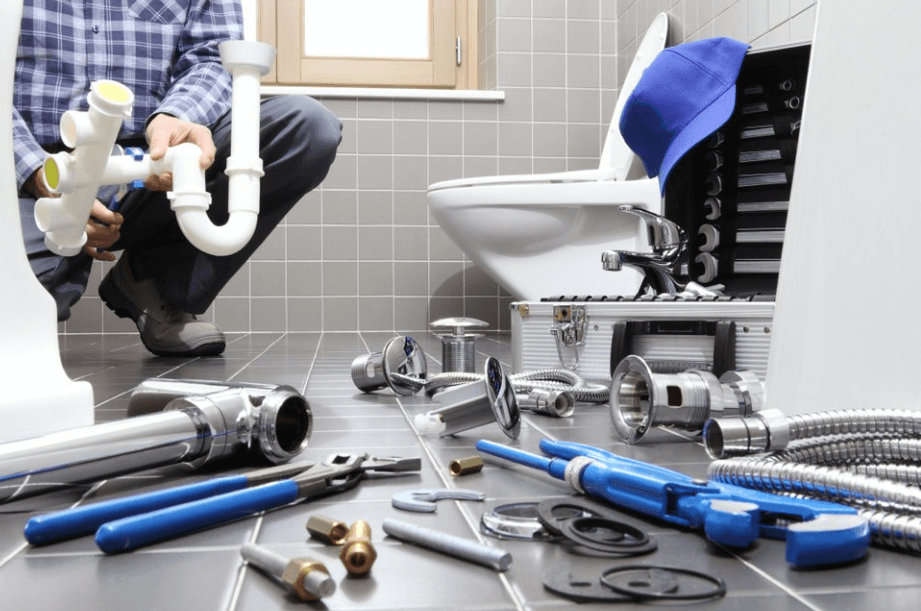
Homeownership comes with various responsibilities, and one of the most overlooked yet crucial aspects is the plumbing system. Just like any part of a house, pipes and fixtures wear out over time, and recognizing the signs of aging is essential to prevent costly damages. Knowing when to upgrade your plumbing can save you from the inconvenience of frequent repairs and even more severe problems such as water damage.
Whether you are moving into a new home or have lived in your property for decades, it is important to assess the state of your plumbing regularly. In this article, we’ll explore the key signs that indicate your plumbing system is due for an upgrade. By identifying these signs early on, you can plan for timely Plumbing System Installation and ensure a well-functioning system for years to come. Companies like Southern Plumbing Works offer expert advice and services to help you make informed decisions about maintaining and upgrading your plumbing infrastructure.
1. Frequent Leaks
One of the most obvious signs that your plumbing is past its prime is frequent leaks. While occasional leaks may occur in any plumbing system, frequent or recurring leaks are a red flag. They could indicate that your pipes are deteriorating or that there are underlying issues such as corrosion or weak joints. Over time, pipes can corrode due to exposure to water and other substances, leading to small holes that cause leaks.
If you notice leaks occurring in multiple areas of your home or after repairs have been made, it’s a good indication that the entire plumbing system may need attention. Instead of continually patching leaks, it may be more cost-effective to upgrade the plumbing system to avoid future water damage and costly repairs. A professional plumbing company, like Southern Plumbing Works, can assess the condition of your pipes and recommend whether it’s time for a complete overhaul or just targeted repairs.
Tools and trends in 2024 related to plumbing marketing
If you are seeking marketing services in the plumbing niche, look no further. Utilize various tools, such as Rapid URL Indexer, to address your site’s indexing issues and improve your rankings on Google for potential keywords.
2. Low Water Pressure
Have you noticed that your water pressure has been gradually decreasing? This could be a sign that your pipes are clogged or have developed corrosion. Low water pressure might also stem from issues with your water supply line, aging fixtures, or sediment buildup inside the pipes. In homes with older plumbing systems, galvanized steel pipes were often used, which are prone to rust and corrosion over time.
The presence of mineral deposits or blockages within the pipes can restrict water flow, leading to low pressure at your faucets and showerheads. Ignoring low water pressure can result in further damage to the pipes and inconvenience in your daily life. Rather than dealing with ongoing frustration, it’s worth considering an upgrade to modern plumbing materials such as copper or PEX pipes, which are more resistant to corrosion and offer improved water flow.
3. Discolored Water
If the water coming out of your faucets is discolored, especially if it has a reddish or brown tint, it’s time to investigate further. Discolored water is often caused by rust or sediment buildup in your pipes. Rusty pipes can not only affect water quality but also indicate that your plumbing system is deteriorating.
Rust can compromise the integrity of the pipes, leading to leaks and potential bursts. If you see discolored water after a long period of inactivity in your plumbing system or even during regular use, it’s a good sign that your pipes may need to be replaced. A professional plumber can conduct an inspection to determine the source of the discoloration and recommend the necessary upgrades.
4. Strange Noises in the Pipes
Do your pipes make knocking, banging, or squealing noises? These sounds are not just an annoyance—they can be a warning sign of aging plumbing. Noisy pipes may be caused by several factors, including loose pipe connections, worn-out fixtures, or air trapped within the pipes.
In older homes, pipes can become misaligned or loosened over time, leading to unusual noises when water is turned on or off. If left unaddressed, these noises can indicate that the pipes are weakening or may fail in the near future. Upgrading your plumbing system can eliminate these issues and provide a quieter, more efficient water flow throughout your home.
5. Outdated Fixtures
Old or outdated fixtures, such as faucets, showerheads, and toilets, are not only inefficient but can also cause ongoing problems. Older fixtures may use more water than necessary, leading to higher water bills, or they may not function properly due to wear and tear.
Upgrading to modern fixtures can significantly improve water efficiency and add to the aesthetics of your home. Many modern fixtures are designed to conserve water without sacrificing performance, reducing your environmental footprint and lowering your monthly utility costs. In addition to upgrading your pipes, it’s a smart move to invest in new fixtures that complement your home’s plumbing system.
6. Water Damage or Mold
Water stains on your walls, ceilings, or floors can be a sign of hidden leaks in your plumbing system. Mold growth is another red flag, as mold thrives in moist environments and can cause health issues if left untreated. Both water damage and mold are indicators that there’s a leak somewhere in your plumbing.
If you spot signs of water damage or mold in your home, it’s essential to call a professional plumber immediately. They can locate the source of the leak and determine whether a repair or full replacement of your pipes is necessary. In cases of severe damage, upgrading your plumbing system may be the best option to prevent future problems.
7. Age of the Plumbing System
Lastly, one of the most significant factors to consider is the age of your plumbing system. Most plumbing materials, such as copper, PVC, or PEX, have a lifespan of around 50 to 70 years. If your home’s plumbing system is nearing or surpassing this age range, it’s time to start planning for an upgrade.
Older homes may still have galvanized steel or cast-iron pipes, which are more prone to corrosion and wear. These materials are no longer commonly used in modern plumbing installations due to their shorter lifespan and maintenance requirements. Upgrading to newer, more durable materials can increase the longevity of your plumbing system and reduce the need for frequent repairs.
Conclusion
Upgrading your plumbing system is a crucial investment in the long-term health of your home. By recognizing the signs of aging pipes and fixtures, such as frequent leaks, low water pressure, discolored water, strange noises, outdated fixtures, and water damage, you can avoid more significant problems down the road. Proactively addressing these issues with the help of professionals like Southern Plumbing Works ensures that your home’s plumbing remains efficient, safe, and functional.
Don’t wait for an emergency to upgrade your plumbing. Regular inspections, maintenance, and timely upgrades can prevent costly repairs and protect the value of your home. Whether you’re dealing with an aging plumbing system or planning a new Plumbing System Installation, taking action today can save you time, money, and stress in the future.
