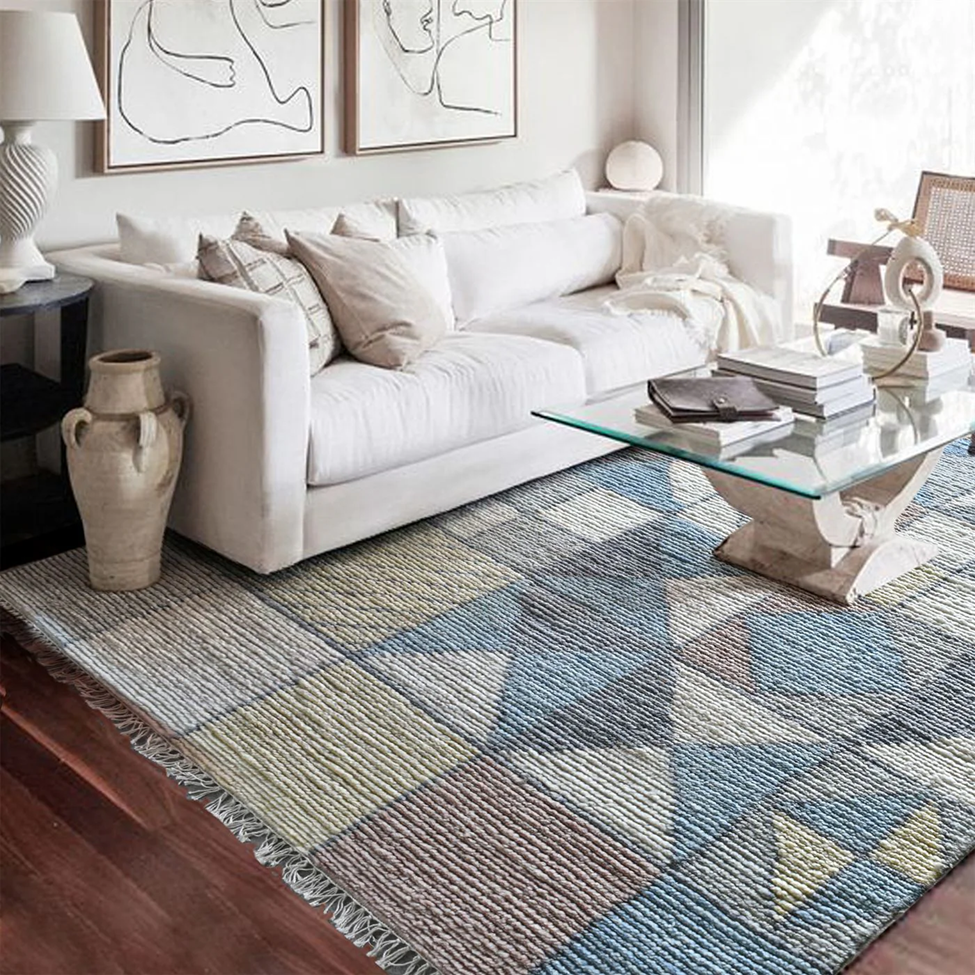
Glass works represent an extraordinary fusion of art, craftsmanship, and innovation. From the delicate beauty of stained glass windows to the functional elegance of glass furniture, this versatile material plays a vital role in both aesthetic and practical applications. In this comprehensive guide, we will explore the various types of glass works, the processes involved in glassmaking, current trends and innovations, and much more. Whether you’re considering bespoke creations or standard solutions, Glass Works Dubai offers a wealth of options to suit every taste and need, showcasing the best of glassmaking excellence in a vibrant and dynamic market.
Glass works encompass a wide range of products and applications, from decorative art pieces to essential building materials. This ancient craft has evolved over millennia, with its origins tracing back to ancient Mesopotamia and Egypt. Today, glassmaking is an intricate art form that combines traditional techniques with modern technology.
From Artistry to Utility: The Essential Guide to Different Types of Glass Works
Art Glass
Art glass is primarily created for aesthetic purposes and often features unique designs and vibrant colors. Notable techniques in art glass include:
- Stained Glass: This technique involves piecing together colored glass, often found in windows, to create stunning visual narratives.
- Blown Glass: Created by blowing air into molten glass, artisans can form various shapes, from delicate vases to intricate sculptures.
- Fused Glass: This process involves fusing together different pieces of glass at high temperatures, resulting in striking decorative items.
Functional Glass
Functional glass serves practical purposes in everyday life. Common uses include:
- Windows: Clear or frosted glass is used in residential and commercial buildings for natural light and views.
- Glassware: Items such as drinking glasses, dishes, and cookware are essential in kitchens worldwide.
- Tiles: Glass tiles are often used in bathrooms and kitchens for their durability and aesthetic appeal.
Architectural Glass
Architectural glass is integral to modern building design. It includes:
- Glass Facades: These offer a sleek, contemporary look while allowing natural light to illuminate interior spaces.
- Skylights: Used to bring sunlight into buildings, skylights can significantly enhance a room’s ambiance.
- Glass Floors: Offering a unique aesthetic and allowing for the display of artwork or lighting beneath, glass floors are becoming increasingly popular in innovative architecture.
Crafting Clarity: Unveiling the Intricate Process of Glassmaking
Raw Materials
The primary ingredients in glassmaking include silica sand, soda ash, and lime. These materials are melted together at high temperatures to form glass.
Melting and Forming
The glassmaking process involves several techniques, including:
- Melting: The raw materials are heated in a furnace until they reach a molten state.
- Molding: Molten glass is poured into molds to create specific shapes.
- Blowing: A blowpipe is used to inflate molten glass, allowing artisans to create intricate designs.
Finishing and Treatment
After forming, glass items undergo various finishing techniques to enhance their appearance and durability, such as:
- Polishing: This process smooths the surface of the glass, giving it a shiny finish.
- Engraving: Designs can be etched into the surface of the glass for decorative effects.
Trends and Innovations in Glass Works
Sustainable Glass
Sustainability is becoming a key focus in glassmaking. Many manufacturers are adopting eco-friendly practices, such as using recycled glass in their products. Recycled glass can be transformed into new glass items, significantly reducing waste and energy consumption.
Smart Glass Technology
Innovations in smart glass technology are revolutionizing the industry. Features such as electrochromic glass, which can change its tint based on electrical signals, allow for improved energy efficiency and privacy in buildings.
Design Trends
Contemporary design trends include the use of bold colors and patterns in glass works. Artisans are experimenting with textured and layered glass, creating striking visual effects that enhance the beauty of spaces.
Glass Works in Action: Discover the Versatile Applications Transforming Spaces
Residential
In residential settings, glass works are used in various applications, including:
- Glass Countertops: These provide a sleek, modern look while being easy to clean.
- Glass Partitions: Used to divide spaces without sacrificing light or openness.
Commercial
In commercial spaces, glass is often utilized for its aesthetic appeal and functionality. Common applications include:
- Glass Walls: These create an open and airy environment in offices and retail spaces.
- Display Cases: Glass display cases are essential for showcasing products in stores.
Art and Collectibles
Collectible glass art pieces can hold significant value, and many collectors seek out unique works from renowned artisans. These items often become focal points in homes or galleries.
Glass Works Decoded: How to Choose the Right Glass for Your Home or Office
Choosing the right glass for your home or office can significantly impact both aesthetics and functionality. To make an informed decision, start by assessing your needs. Consider the purpose of the glass—whether it’s for decorative art, practical use, or architectural features.
Art glass is ideal for adding a touch of creativity and elegance to spaces, with options like stained, blown, and fused glass providing unique visual appeal. Functional glass, including tempered and laminated types, focuses on durability and practical use, perfect for windows, shower doors, and glassware. Architectural glass, such as facades and skylights, enhances modern design while allowing natural light to brighten your space.
Key considerations include durability, aesthetics, and functionality. Opt for tempered glass in high-traffic areas for added strength, or laminated glass for security. Choose designs that complement your interior, whether it’s frosted glass for privacy or stained glass for classic charm.
Consulting with glass specialists and requesting samples can help you visualize the final outcome. Prioritize ease of maintenance and long-term durability to ensure your glass works beautifully and efficiently for years to come. By understanding your options and needs, you can select the perfect glass to enhance your environment.
Maintenance and Care
Cleaning Glass Works
To keep glass works looking their best, follow these cleaning practices:
- Use a gentle glass cleaner and soft cloth to avoid scratching.
- For decorative glass, avoid harsh chemicals that can damage finishes.
Maintaining Glass Integrity
Prevent damage by being mindful of the environment in which glass works are displayed. Avoid placing them in areas with extreme temperature changes or direct sunlight for prolonged periods.
Conclusion
Glass works embody a perfect blend of artistry and utility, making them an integral part of modern design. From functional items to stunning art pieces, the versatility of glass is unmatched. By understanding the various types of glass works and their applications, you can make informed choices that enhance your living or working environment. Embrace the beauty and craftsmanship of glass works to add elegance and sophistication to your space. Whether you’re exploring options for Glass Works Dubai or elsewhere, the right choice can transform your space into a stylish and functional haven.
