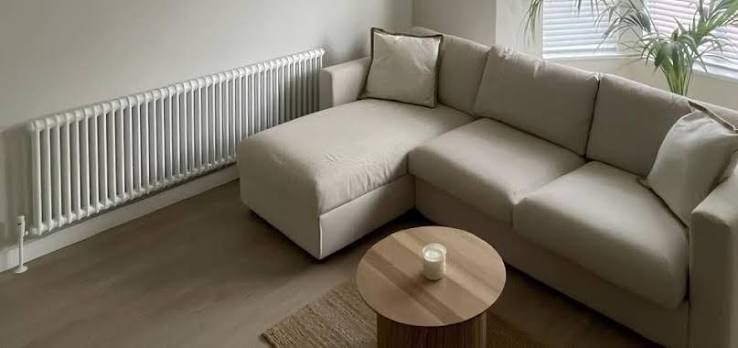
When it comes to choosing the perfect heating solution for your home, it can be a daunting task given the myriad of options available. One of the classic and efficient options you might consider is column radiators. Known for their timeless aesthetic appeal as well as their functionality, column radiators blend seamlessly with both traditional and contemporary decor, making them a versatile choice for any interior.
Understanding Column Radiators
Column radiators have been around for decades and have seen a resurgence in popularity due to their distinct look and efficient heating capabilities. These radiators consist of multiple columns arranged vertically, allowing for maximum surface area to radiate heat efficiently. This design not only provides a significant amount of heat output but also gives a stylish edge to your room.
Key Considerations for Choosing Column Radiators
When selecting a column radiator, there are several factors to keep in mind to ensure it suits your needs and preferences:
1. Room Size and Heat Output
The size of the room is arguably the most crucial factor to consider. The larger the room, the more heat is required to maintain a comfortable temperature. Column radiators come with different numbers of columns and heights, impacting their heat output. It’s important to calculate the BTU (British Thermal Units) required for your space. You can use online calculators to determine the BTU requirement based on room size, window size, and insulation quality.
2. Positioning and Installation
The placement of your radiator affects its efficiency and functionality. Ideally, radiators should be installed in the coldest part of the room, typically under windows, to counteract the cold air entering from outside. Additionally, consider the wall strength and available space as column radiators are generally heavier than panel radiators.
3. Material and Finish
Column radiators are available in different materials, including steel, cast iron, and aluminium. Steel radiators are the most common, offering a good balance between heat output, weight, and cost. Cast iron radiators, although heavier and slower to heat up, retain heat longer, making them energy-efficient. Aluminium radiators, on the other hand, are lightweight and heat up quickly but may be more expensive. Consider the finish as well; whether you prefer a sleek modern look or a classic, vintage aesthetic, there’s a finish to match your style.
4. Style and Design
Besides functionality, design plays a significant role in the selection process. Column radiators come in various shapes, sizes, and colours. You can opt for traditional old-school designs if you have a period property or sleek, minimalist styles for a more modern home. Many manufacturers offer custom colours, allowing you to match the radiator to your home’s decor.
5. Budget
Lastly, your budget will influence your choice. While column radiators can be more expensive than standard panel radiators, their durability and aesthetic appeal can make them a worthwhile investment. Shop around and compare prices, keeping in mind that a higher initial cost can lead to long-term savings on heating bills due to their efficiency.
