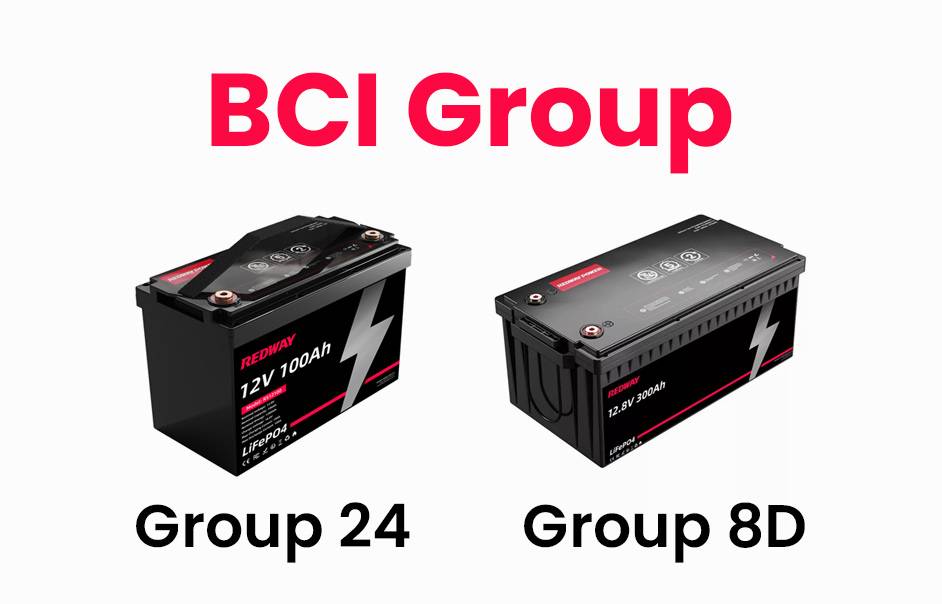
Choosing the right car battery is essential for ensuring your vehicle operates smoothly and reliably. One of the most important factors to consider when selecting a new battery is the group size. Understanding the differences between group battery sizes can help you make an informed decision, ensuring that your vehicle receives the optimal power it needs. In this article, we’ll delve into what group size batteries are and the key measurements that differentiate them.
What Are Group Size Batteries?
Group size batteries are standardized classifications that define the physical dimensions, terminal configurations, and power specifications of a car battery. These standards are established by the Battery Council International (BCI) to ensure consistency and compatibility across various vehicle makes and models. Each group size is assigned a unique number and letter combination, such as 99 BCI group battery, which indicates specific characteristics tailored to fit particular vehicles.
The primary purpose of group size classification is to simplify the process of finding a compatible battery for your vehicle. Instead of measuring the battery tray and terminals manually, you can refer to your vehicle’s owner manual or use online tools to identify the correct group size. This ensures that the battery you purchase will fit perfectly in your car’s battery compartment and that the terminals will align correctly for a secure connection.
Different vehicles require different group sizes based on their electrical demands and spatial constraints. For example, a compact car like a Honda Civic may use a smaller group size battery, while a larger vehicle such as a truck or SUV might require a more robust battery with a larger group size to handle higher power requirements. Understanding these differences is crucial for maintaining your vehicle’s performance and avoiding potential electrical issues.
Key Measurements Included
When discussing group size batteries, several key measurements come into play. These include the battery’s length, width, height, and terminal placement. Each of these dimensions is critical for ensuring that the battery fits securely within your vehicle and operates efficiently.
- Dimensions: The physical size of the battery must match the battery tray in your vehicle. For instance, a 102R BCI group battery is designed with specific length, width, and height measurements that correspond to the space allocated in certain vehicle models. Using a battery with incorrect dimensions can lead to installation challenges, poor performance, and even damage to your vehicle’s electrical system.
- Terminal Configuration: The arrangement and type of terminals (positive and negative) are vital for proper connectivity. Some vehicles have top-post terminals, while others use side-post terminals. Additionally, the orientation of the terminals (left or right) must match your vehicle’s design to ensure that the cables connect without strain or obstruction. Mismatched terminal configurations can result in loose connections, which may cause starting issues or electrical malfunctions.
- Power Specifications: Beyond physical dimensions, group size also relates to the battery’s power output, including Cold Cranking Amps (CCA) and Reserve Capacity (RC). CCA indicates the battery’s ability to start your vehicle in cold temperatures, while RC measures how long the battery can sustain a minimum electrical load if the alternator fails. Selecting a battery with appropriate power specifications for your vehicle’s needs is essential for reliable performance, especially in extreme weather conditions.
For example, a U1 BCI group battery is crafted to meet the specific requirements of certain vehicle models, ensuring that both the physical fit and power output align with your car’s needs. This careful matching of measurements and specifications guarantees that your vehicle runs efficiently and reduces the likelihood of battery-related issues.
Conclusion
Understanding the differences between group battery sizes is fundamental to selecting the right battery for your vehicle. By familiarizing yourself with what group size batteries are and the key measurements involved, you can ensure a perfect fit and optimal performance. Whether you need a 99 BCI group battery, a 102R BCI group battery, or a U1 BCI group battery, choosing the correct group size will enhance your vehicle’s reliability and longevity.
When selecting a new battery, always refer to your vehicle’s owner manual or consult with automotive professionals to determine the appropriate group size. Investing time in understanding these differences not only ensures a hassle-free installation but also contributes to the overall health and performance of your vehicle’s electrical system. With the right battery, you can enjoy peace of mind knowing that your car is equipped to handle daily drives and unexpected journeys alike.
