The UAV industry is evolving from standalone drone usage to fully connected digital ecosystems powered by software intelligence. At the center of this transformation are multi-drone operations. Instead of manually controlling individual UAVs, organizations are now shifting toward coordinated systems where multiple drones operate under unified control. Platforms like SkyTrack demonstrate how planning and live execution can be integrated into one seamless operational workflow.
1. Multi-drone operations as the new standard in UAV systems
Multi-drone systems are designed to handle complex missions that require speed and large-scale coverage. By distributing tasks across multiple UAVs, organizations can complete missions faster while maintaining high accuracy.
Key advantages include:
- Parallel mission execution across multiple UAVs
- Faster coverage of large geographic areas
- Improved operational efficiency and reduced mission time
- Enhanced data collection from multiple viewpoints
- Greater system resilience in case of UAV failure
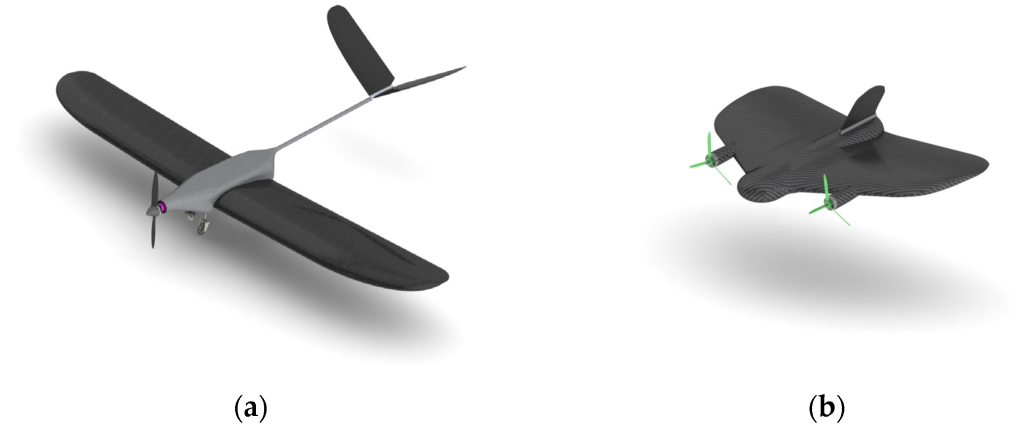
Overview of multi-drone UAV operations for scalable mission efficiency
2. Mission operation software as the backbone of UAV coordination
To enable effective multi-drone operations, a powerful mission operation software layer is required. This software acts as the central control system that manages planning, execution, and monitoring of all UAVs in real time.
How mission operation software enables multi-drone UAV control
Mission operation software connects human-defined objectives with automated UAV execution. Instead of manually controlling each drone, operators define mission logic and the system handles coordination.
Core functions include:
- Mission planning through digital maps
- Automated route optimization for multiple UAVs
- Real-time telemetry and UAV tracking
- Dynamic flight adjustments during execution
- Sensor and payload configuration
- Data aggregation and post-mission reporting
3. Mission platform as the intelligence layer behind UAV systems
A mission platform is more than a control interface-it is the intelligence layer that enables UAV ecosystems to function as coordinated networks. It ensures that all drones, missions, and operators work within a unified environment.
Before scaling UAV systems, organizations need a centralized structure that can manage complexity. The mission platform provides exactly that.
Key capabilities of a UAV mission platform
- Centralized mission and fleet management
- Standardized workflows across operations
- Real-time visibility of all UAV activities
- Multi-UAV coordination and scheduling
- Integration with enterprise data systems
4. Autonomous missions enabling intelligent UAV execution
The concept of autonomous missions allows UAVs to operate independently based on predefined objectives and system logic. Instead of continuous manual control, drones follow structured workflows managed by the mission platform.
This shift is critical for scaling UAV operations across industries where repeatability and precision are required.
How autonomous missions work in UAV systems
Autonomous missions follow a structured lifecycle:
- Mission definition: Operators set objectives such as inspection or mapping
- Automated planning: The system generates optimized flight paths
- UAV configuration: Sensors and payloads are assigned
- Autonomous execution: UAVs operate independently with real-time adaptation
- Data processing: Collected data is analyzed into actionable insights
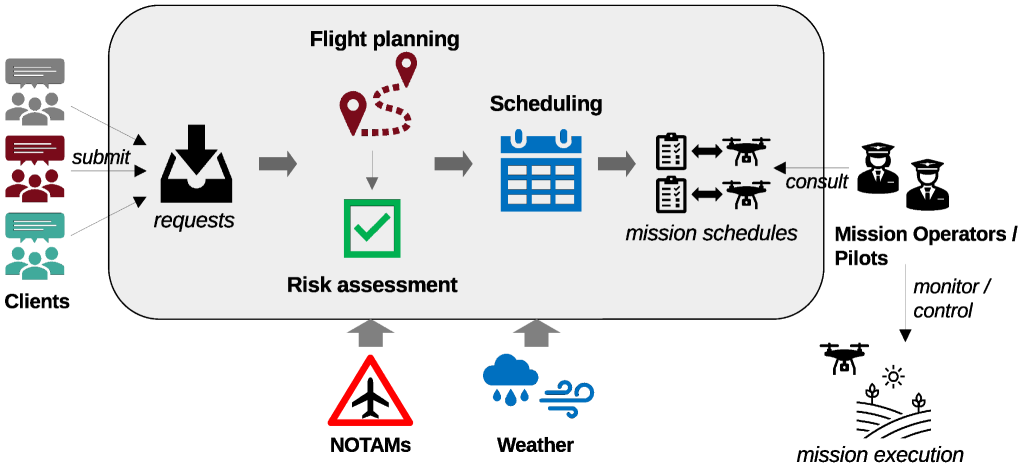
Overview of autonomous UAV missions and intelligent execution workflow
5. Real-world applications of multi-drone operations
The combination of multi-drone operations and autonomous missions is transforming multiple industries. UAV systems are now widely used for large-scale data collection and operational monitoring.
Key application areas
- Agriculture: Crop monitoring, irrigation analysis, and pest detection
- Infrastructure: Inspection of bridges, pipelines, and power grids
- Public safety: Automated surveillance and emergency response
- Environmental monitoring: Wildlife tracking and ecosystem analysis
6. Benefits of multi-drone UAV systems in real operations
The adoption of multi-drone operations delivers significant performance improvements compared to single-drone systems.
Key benefits include:
- Faster mission execution through parallel UAV deployment
- Higher data accuracy from multiple simultaneous viewpoints
- Improved resilience in case of drone failure
- Reduced operational downtime
- Enhanced scalability for enterprise-level missions
7. Mission operation software enabling real-time UAV control
One of the most powerful capabilities of modern mission operation software is real-time control. UAV systems can now adapt instantly during flight based on environmental conditions or mission changes.
Real-time capabilities include:
- Live UAV telemetry monitoring
- Dynamic route updates during missions
- Environmental adaptation and obstacle handling
- Sensor control in real time
- Multi-mission coordination across fleets
8. The future of UAV ecosystems with SkyTrack-style platforms
The future of UAV technology is moving toward fully autonomous ecosystems where multi-drone operations are the default operating model. In this future, mission platforms act as centralized intelligence hubs that coordinate all UAV activities.
Future trends include:
- Fully autonomous UAV fleets with minimal human intervention
- Multi-drone collaboration as standard operating procedure
- Continuous data flow into enterprise systems
- AI-driven optimization of missions in real time
- Fully integrated UAV digital ecosystems

Overview of future autonomous UAV ecosystems with mission platforms
The evolution of UAV systems is being driven by the convergence of multi-drone operations.. Instead of operating drones as individual tools, industries are now building intelligent, coordinated ecosystems where UAVs work together seamlessly. As this transformation continues, multi-drone operations will become the foundation of scalable UAV strategies, enabling faster, smarter, and more efficient aerial operations across industries worldwide.
