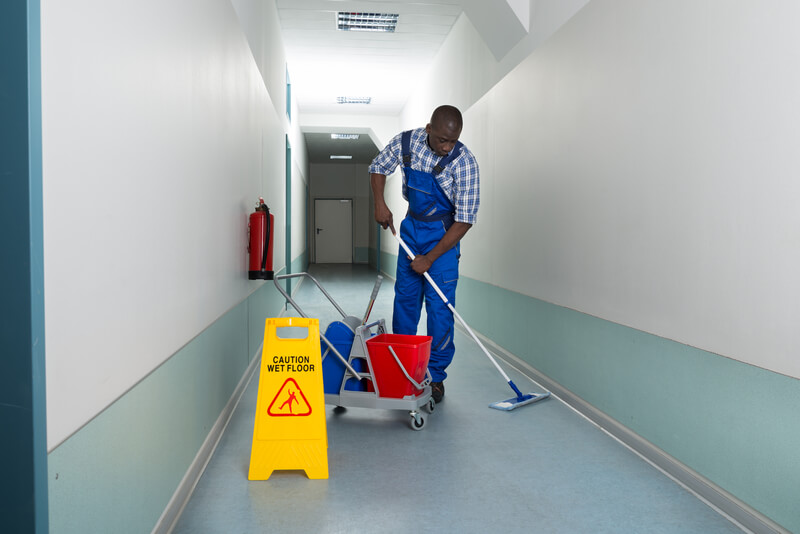
Maintaining a spotless and sanitary environment is crucial in commercial kitchens to ensure the safety of food preparation and meet regulatory standards. To achieve this, kitchen staff rely on a variety of cleaning chemicals specifically designed to tackle different surfaces, equipment, and areas in the kitchen. Here are ten common cleaning chemicals used in commercial kitchens to ensure a hygienic space for food service.
1. Degreasers
One of the most important cleaning chemicals in a commercial kitchen is a degreaser. These powerful solutions break down grease, oil, and grime, which accumulate on cooking equipment, floors, and walls. Degreasers are essential for cleaning stovetops, grills, and range hoods, where grease buildup is common. Many commercial cleaning products contain a combination of degreasing agents to provide efficient cleaning without damaging surfaces.
2. Dishwashing Detergents
Dishwashing detergents are a staple in every commercial kitchen, used to wash dishes, cutlery, and cookware. These detergents are formulated to cut through grease and food particles while being safe for food-contact surfaces. Many commercial cleaning (Erhvervsrengøring) detergents are designed to be used in dishwashers or for manual washing, making them versatile for different cleaning methods.
3. Sanitizers
In commercial kitchens, sanitation is paramount. Sanitizers are chemicals that reduce harmful bacteria, viruses, and pathogens to safe levels. They are commonly used on surfaces like countertops, cutting boards, and food prep areas. Using an effective sanitizer ensures that the kitchen remains safe for food preparation and helps comply with health and safety regulations.
4. Surface Cleaners
Surface cleaners are used to clean a wide range of non-food-contact surfaces such as counters, shelves, and walls. These products help remove dust, dirt, and food residue, making them essential for maintaining cleanliness. Some commercial cleaning surface cleaners are also designed to prevent the growth of bacteria and mold, adding an extra layer of protection.
5. Oven Cleaners
Ovens are prone to grease buildup and carbon deposits, which can be tough to clean. Oven cleaners are formulated to dissolve these residues and make it easier to remove baked-on grease. Commercial kitchen staff rely on oven cleaners to ensure their cooking equipment is clean and functioning properly, especially in high-traffic kitchens.
6. Floor Cleaners
The floors in a commercial kitchen can quickly become dirty due to food spills, grease, and dirt. Floor cleaners are designed to tackle these challenges, breaking down grease and food residue while ensuring the floor is left spotless and safe to walk on. Many commercial cleaning floor products are also formulated to reduce slip hazards, making kitchens safer for staff.
7. Descalers
Descalers are chemical solutions used to remove hard water deposits, limescale, and mineral buildup from kitchen equipment, especially dishwashers and coffee machines. In areas with hard water, descaling is essential to keep equipment working efficiently. These commercial cleaning chemicals help prevent costly repairs by keeping machines free of mineral buildup.
8. Glass and Stainless-Steel Cleaners
In a commercial kitchen, maintaining the appearance of stainless steel and glass surfaces is crucial. Glass and stainless-steel cleaners are formulated to remove fingerprints, smudges, and streaks from these surfaces. These cleaners are essential for keeping kitchen equipment, refrigerators, and display areas looking professional and hygienic.
9. Air Fresheners
Commercial kitchens can often develop strong odors due to cooking processes. Air fresheners help eliminate these odors and maintain a fresh and clean environment. Some air fresheners also work as deodorizing agents, targeting specific smells like fried food, fish, or burning grease, ensuring that the kitchen is pleasant for both staff and customers.
10. All-Purpose Cleaners
All-purpose cleaners are versatile products used throughout the kitchen. These cleaners can be used on a variety of surfaces, including countertops, tables, and floors, to remove dirt, grease, and food residues. Commercial cleaning companies often use these products for routine cleaning as they are effective in maintaining cleanliness in high-traffic areas.
Conclusion
In a commercial kitchen, maintaining a clean and sanitized environment is critical not only for food safety but also for overall efficiency. The use of various cleaning chemicals, such as degreasers, sanitizers, and surface cleaners, plays a key role in upholding high standards of hygiene. By regularly using the right cleaning chemicals, commercial kitchens can operate smoothly, ensuring both the health of their customers and the longevity of their equipment. Proper commercial cleaning ensures that every surface, from countertops to floors, is spotless and free from harmful bacteria, making it a vital part of any successful foodservice operation.
