Key Takeaways
- Understanding how self-contained trash compactors can efficiently manage waste and save resources.
- Exploring the environmental benefits and sustainability of modern waste management practices.
- Highlighting the role of technology and innovation in transforming waste disposal methods.
Introduction to Modern Waste Management Solutions
In today’s fast-paced world, waste management is not just about removing trash—it’s about doing it efficiently and sustainably. Self-contained trash compactors are at the forefront of this transformation by offering a sophisticated solution to the age-old waste disposal problem. Through self contained waste compactor rental, businesses and industries can effectively manage waste at the source, significantly reducing the volume before it’s transported. This not only helps in cutting down operational costs but also aids in preserving the environment. The movement towards smarter waste management strategies reflects a growing awareness and responsibility shared by businesses across the globe.
The Fundamentals of Self-Contained Trash Compactors
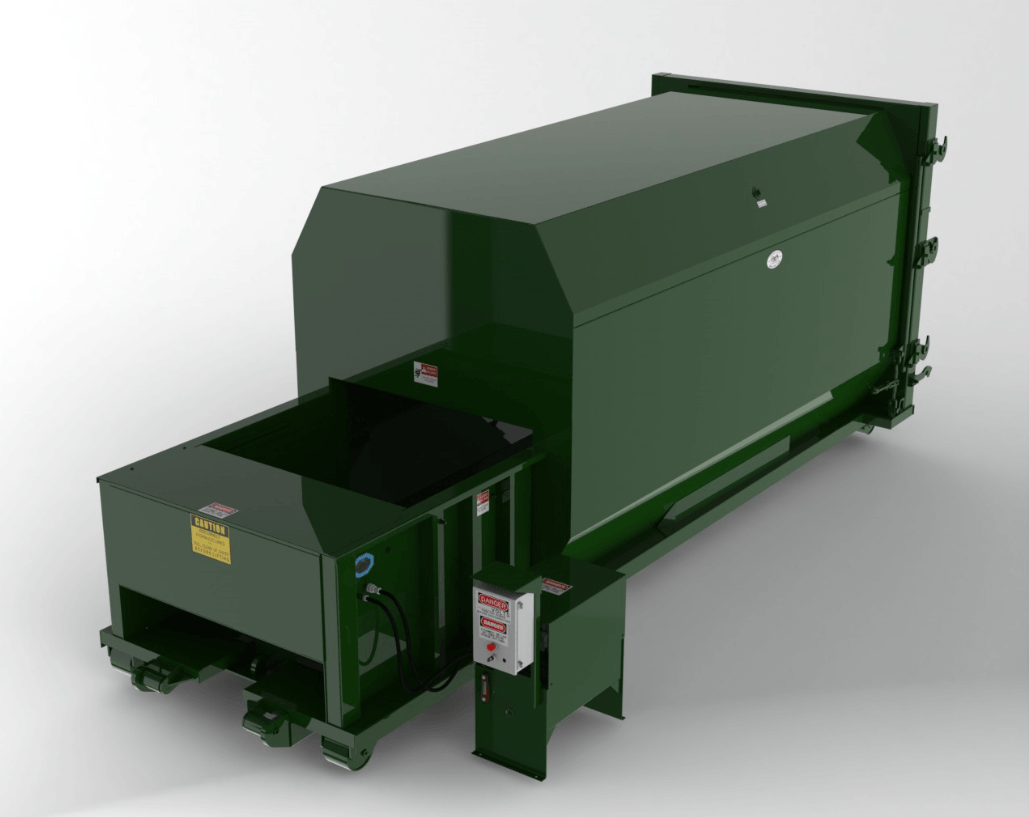
Self-contained trash compactors might seem straightforward, but their impact is profound. These appliances are engineered to compress waste materials into compact bundles, which substantially decreases the volume and makes handling easier. Their design often includes airtight seals that prevent leaks and odors, a crucial feature in maintaining sanitary conditions in malls and hospitals. What makes these devices even more indispensable is their ability to adapt to varying waste types, from dry office papers to damp industrial waste, showcasing their versatility in different operational settings.
Environmental Impact and Sustainability
As the global conversations around climate change and environmental impacts intensify, efficient waste management has never been more critical. Self-contained compactors significantly lessen the strain on landfill sites by compacting bulk waste and reducing the need for frequent transportation. This reduction in logistics drives down fossil fuel consumption and aligns with the wider effort to minimize carbon footprints. By participating in this paradigm shift, industries can make impactful contributions to global sustainability initiatives, which are bolstered by recent innovations in waste management, proving that modern challenges can be met with modern solutions.
Technology and Innovation in Waste Handling
Technology redefines various domains, including waste management, in this digital age. Modern self-contained compactors feature intelligent technology like IoT (Internet of Things) sensors, providing real-time data and insights into waste levels and compaction effectiveness. Automation systems embedded within these compactors can evaluate when to initiate compaction cycles, optimize safety, and schedule maintenance checks, minimizing downtime and operational interruptions. These innovations not only enhance operational efficiency but also contribute to a more sustainable method of waste disposal.
Cost-Effectiveness and Resource Savings
One of the most compelling reasons businesses adopt self-contained compactors is their cost efficiency. By greatly reducing the volume of waste, these devices minimize the hauls required to remove waste, which can lead to significant savings in transport and disposal fees. Furthermore, the reduced frequency of waste pickups results in fewer emissions from collection vehicles, contributing indirectly to environmental health. Businesses can thus leverage these compactors to achieve a dual objective of financial savings and corporate responsibility.
Moving Forward: The Future of Waste Management
The trajectory of waste management is undoubtedly leaning towards more integrative and intelligent systems. Integrating artificial intelligence, enhanced data analytics, and user-centric designs in waste management will become the norm as we advance. These future systems will predict and preemptively manage waste and ensure sustainability and efficiency. This shift towards proactive waste management promises a more sustainable future where businesses and the ecosystem coexist more harmoniously.
